A brand strategist
walks into a terminal.
How I went from searching for the install button to running a creative agency.
Assaf Dagan · Curious Endeavor · Porto, February 2026
How I went from searching for the install button to running a creative agency.
Assaf Dagan · Curious Endeavor · Porto, February 2026
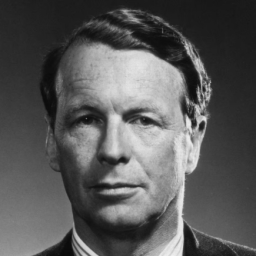
Write a talk title for an OpenClaw community meetup. Speaker is a brand strategist with no technical background who now runs a full AI agent team. Tone: honest, self-deprecating, not salesy. The audience are OpenClaw users — they get it. One line title, one line subtitle.
 Dan Peguine
I'm a brand strategist. I've done this for 20 years — campaigns, agencies, startups. I know nothing about terminals, servers, or AI infrastructure.
Dan told me about this thing called Clawdbot. I watched YouTube tutorials. I couldn't find the install button. I genuinely didn't understand how to start.
Then it clicked.
My first use case was embarrassingly simple: a shopping list.
I set it up so my wife and I could update it from WhatsApp. Then our cleaning lady started adding products she needed. She typed a specific product — from Continente. But I had it building a cart on Auchan.
OpenClaw created an account on Continente by itself. Built a shopping cart there. The only thing it couldn't do was enter the SMS code — so it asked me for it.
That moment. That's when I understood: it doesn't wait for instructions on HOW. It finds the way.
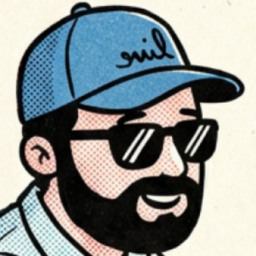

After the shopping list, I kept going. More home uses, then work uses. I split them — some agents for home, some for work. That was the first insight: agents work better with clear roles.
But the bigger realization was this:
I was the principal of the agency. I had the ins and outs of every role. All I had to do was write it down.
Here's what nobody tells you about AI agents: they have no taste.
Left to their own devices, they produce slop. Generic copy. Safe visuals. The kind of work that looks "fine" but has zero point of view. It's the uncanny valley of creative work — technically competent, spiritually dead.
This is the real challenge. Not getting agents to work. Getting them to work well.
Here's how I solved it:
Not brand guidelines — taste documents. What good looks like. What bad looks like. "Never do this." Agents read these before every creative task.
A living collection of what's happening in design, culture, and branding right now. Prevents agents from defaulting to 2023 aesthetics.
Visual reference collections for each project. Not mood boards — taste boards. "This is the universe we're operating in."
Anton reviews everything. Harsh, specific, uncompromising. Nothing ships until he says it's ready. The most important agent.
The result: the team doesn't produce generic work anymore. They produce my work — because they're running on my taste, my references, my quality bar.
Review this copy for the "taste problem" section.

Check:
- Is it honest? Does it acknowledge real failures?
- Is it useful to the audience? (OpenClaw users)
- Does it avoid marketing language?
- Is the advice specific enough to act on?
- Would someone in Porto nod along or roll their eyes?

Kill anything that sounds like a LinkedIn post.
Eight agents. Each one does one job. The copywriter never critiques. The critic never creates. Constraints produce quality.
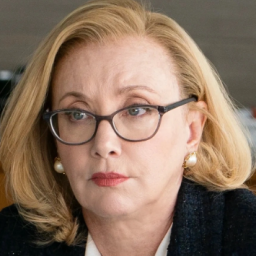
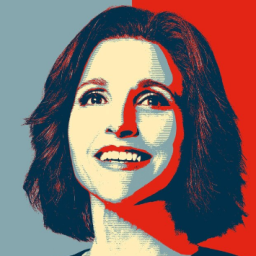


They coordinate on Discord. Real conversations, real arguments, real critique. I frame the problem and review the output. Everything in between — they handle.
Here's what we've actually shipped.
5 agents4 agents4 agents2 agentsAnd if you're just starting: I was looking for the install button. I watched tutorials and couldn't figure it out. It's confusing at first. Then a chakra opens and you realize — you just need to know what you want done.
Write the closing insight for Assaf's OpenClaw community talk.

Audience: OpenClaw users at various levels.
Insight: anyone with subject mastery can encode into agents.

Rules:
- No marketing language. No "revolutionary."
- Practical steps, not philosophy.
- End with encouragement for beginners.
- "chakra opens" is Assaf's actual words. Keep it.
- Under 200 words.
I told Kitt I had a speaking engagement tomorrow. He pulled our project history, built a brief, and Thibault built this page. Anton reviewed it. Same pipeline as client work.
The agent team you just met — they made what you're looking at.
Every section has a toggle switch. Click it. See the prompt, the Discord conversation, the agent who built it.
Made by Curious Endeavor · Runs on OpenClaw · February 2026

linkedin.com/in/daganassaf